
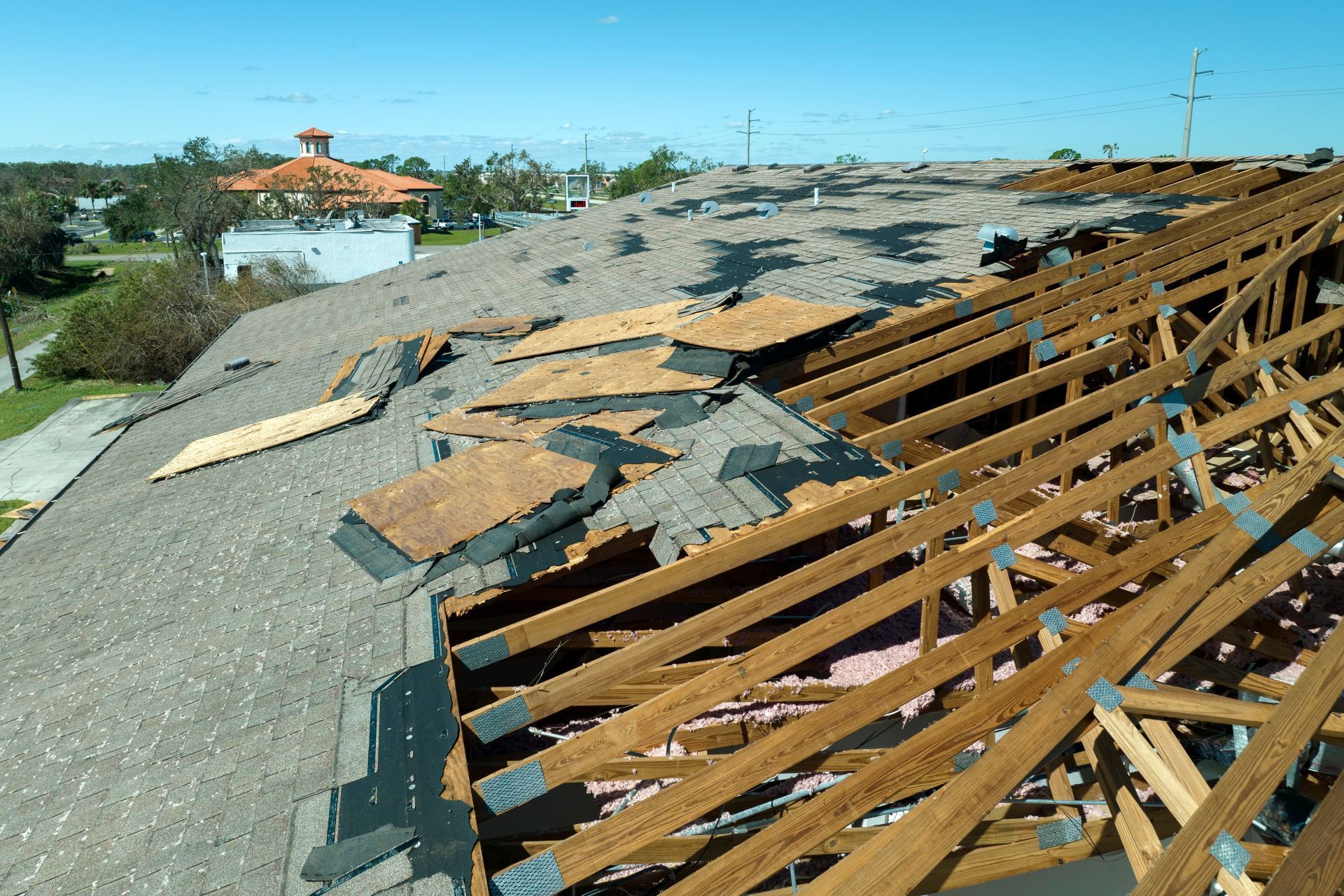
Restore Your Roof After Severe Weather
Storm damage inspection and repair services for homeowners throughout St. Lucas, Dubuque, Northeast Iowa, and Northwest Illinois
Severe weather can compromise a roofing system in ways that are not always visible from the ground. Hail can bruise shingles and dislodge granules, wind can lift and break seals, and flashing or fasteners can loosen without immediate signs inside the home.
Eagle Heights Roofing provides storm damage inspections and repairs designed to identify functional damage and restore the performance of your roofing system — not just address visible issues. Every inspection is completed with a focus on how the roof is shedding water and protecting the structure beneath it.
Understanding Storm Damage to Your Roof
Storm damage is often more than what you can see from the ground. Even when a roof appears intact, impacts from hail or wind can weaken critical components and lead to premature failure.
Common types of storm-related damage include:
- Hail impact that bruises or fractures shingles
- Granule loss that exposes the underlying asphalt layer
- Wind-lifted shingles that break their seal
- Bent or separated flashing around chimneys and vents
- Damage to valleys where water is concentrated
- Punctures or seam damage on flat roofing systems
Storm damage often affects the performance of the roofing system even when the roof still looks intact. A proper inspection ensures hidden damage is identified before it leads to leaks or further deterioration.
Signs Your Roof May Have Storm Damage
After a storm, it’s important to look for signs that your roof may have been affected.
You may need a storm damage inspection if you notice:
- Shingles missing, lifted, or out of place
- Dents in gutters, vents, or metal flashing
- Granule loss or dark spots on shingles
- Debris impact on the roof or around the property
- Leaks or water stains appearing after a storm
- Loose materials or visible roof irregularities
Even minor signs can indicate more significant damage on the roof surface.
What to Expect After a Storm
Storm damage inspections and repairs follow a structured process to ensure all damage is properly identified and addressed.
1. Roof Inspection & Damage Documentation
The roof is inspected for visible and hidden damage across all components, including shingles, flashing, valleys, and penetrations.
2. Identification of Functional Damage
Damage is evaluated based on how it affects the roof’s ability to shed water and protect the structure.
3. Emergency Protection (if needed)
If the roof has been compromised, temporary tarping can be installed to prevent interior water damage.
4. Repair or Replacement Plan
A clear recommendation is provided based on the extent of damage — whether targeted repairs or full replacement is the better long-term solution.
5. Material Matching & System Integration
Repairs are completed using materials that match the existing roofing system in both performance and appearance.
6. Final Inspection & Water-Shedding Verification
All repaired areas are checked to ensure the roof is functioning properly and shedding water as intended.
Why Choose Eagle Heights Roofing for Storm Damage
Storm damage requires more than a visual inspection — it requires an understanding of how the roofing system performs under stress.
Eagle Heights Roofing approaches storm damage with a focus on restoring long-term performance, not just completing surface-level repairs.
- Inspections focused on functional damage, not just cosmetic issues
- Detailed documentation to clearly show the extent of damage
- Repairs designed to restore full system performance
- Experience across asphalt, steel, and flat roofing systems
- Honest guidance on repair versus replacement
- Professional work that integrates seamlessly with your existing roof
Our approach to storm damage is based on the same principles used in full roof system installations — ensuring the roof continues to perform as intended.
What homeowners need to know after a storm
Most homeowners in St. Lucas, Dubuque, Northeast Iowa, and Northwest Illinois want to know whether the damage is severe enough to file a claim, how quickly repairs can be scheduled, and what happens if more damage is found during the repair process.
How do I know if my roof has storm damage?
Storm damage can include missing or lifted shingles, granule loss, dents in metal components, or damage that is not visible from the ground. A roof-level inspection is the most reliable way to identify issues.
Place a container under the leak, move valuables away from the area, and contact us for emergency tarping if needed. Temporary protection can help prevent further interior damage.
Minor repairs are often completed in a few hours. More extensive damage may take one to two days depending on the size of the affected area.
Claims are typically appropriate when damage is widespread or affects multiple areas of the roof. A documented inspection can help determine the extent of damage and support the claims process.
If additional issues are uncovered, they are documented and discussed with you before any additional work is completed.
If your home has been affected by hail or wind, the first step is a proper inspection.
Eagle Heights Roofing will assess the condition of your roof, document any damage, and provide clear guidance on the best path forward.
Schedule a storm damage inspection today and get a clear, documented assessment of your roof.
Call (563) 363-3101 or request a free estimate online.